

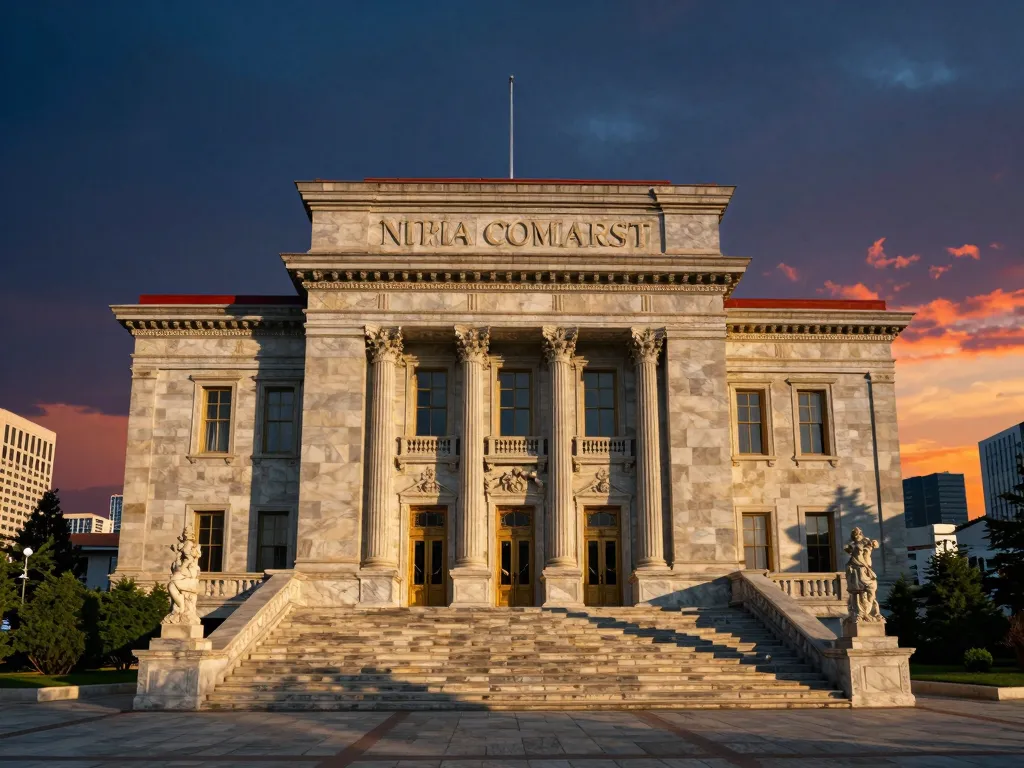
Foundations of Law and Government
The foundations of law and government are essential for maintaining social order and protecting individual rights. These foundations provide the legal framework that governs society, ensuring that laws are applied consistently and fairly. Understanding these principles is crucial for anyone interested in the intersection of law and governance.
Understanding the Rule of Law
The rule of law is a fundamental principle that asserts that law applies equally to all individuals, regardless of status or power. This concept is rooted in the belief that a government should operate under established laws rather than arbitrary decisions. The rule of law provides a mechanism for maintaining social order and protecting citizens’ rights.
This principle can be observed in various judicial systems across the globe. For instance, in countries like Canada and Australia, legal systems emphasize the importance of an independent judiciary, which is tasked with interpreting the law without undue influence from the government.
- Equality Before the Law: The rule of law ensures that every individual is treated equally by the legal system, which is crucial for preventing discrimination.
- Transparency: Laws must be clear, publicized, and stable, enabling citizens to understand their rights and obligations.
- Accountability: Government officials must be held accountable for their actions, which is vital for maintaining public trust.
Types of Legal Systems
Legal systems vary significantly around the world, influenced by historical, cultural, and social factors. Primarily, these systems can be classified into three main types: common law, civil law, and religious law.
Common Law: Originating in England, common law is based on judicial decisions and precedents rather than written statutes. Judges play a crucial role in interpreting the law and setting legal precedents. Countries like the United States and Canada operate under a common law system.
Civil Law: Civil law systems, prevalent in Europe and many other parts of the world, rely on comprehensive legal codes and statutes. In these systems, judges have a more limited role, primarily applying the law as written. Countries like France and Germany are prime examples of civil law jurisdictions.
Religious Law: Some legal systems, such as those found in Islamic countries, are based on religious texts and interpretations. These laws govern both personal and public conduct, often intertwining with the state’s legal framework.
The Role of Government in Society
The government plays a pivotal role in shaping society by creating laws, enforcing them, and providing essential services to citizens. Its primary functions include maintaining order, protecting rights, and promoting the general welfare.
Governments can take various forms, including democracies, monarchies, and authoritarian regimes, each affecting how laws are created and enforced. For example, in a democracy, representatives are elected to create laws reflecting the will of the people, while in an authoritarian regime, laws may be imposed without public input.
- Maintaining Order: Governments enforce laws to prevent crime and ensure public safety, employing law enforcement agencies to uphold these laws.
- Protecting Rights: Governments are responsible for safeguarding individual rights and freedoms, which are often enshrined in constitutions.
- Providing Services: Governments provide essential services such as education, healthcare, and infrastructure, which contribute to the overall well-being of society.
Branches of Government and Their Functions
The structure of government is typically divided into three branches: legislative, executive, and judicial. This separation of powers is a crucial aspect of modern democratic systems, designed to prevent any one branch from becoming too powerful.
Legislative Branch: Making the Laws
The legislative branch is tasked with creating, amending, and repealing laws. This branch represents the will of the people and typically comprises elected officials who serve in a parliament or congress.
In the United States, for example, the legislative branch consists of two chambers: the House of Representatives and the Senate. Each chamber has distinct powers and responsibilities, including the ability to propose legislation, approve budgets, and ratify treaties.
- Drafting Legislation: Legislators draft bills, which must be debated and voted on before becoming law.
- Representation: Legislators represent their constituents, advocating for their needs and interests in the legislative process.
- Oversight: The legislative branch conducts oversight of the executive branch to ensure laws are implemented effectively and public funds are used responsibly.
Executive Branch: Enforcing the Laws
The executive branch is responsible for enforcing laws and administering public policy. Headed by the president or prime minister, this branch includes various departments and agencies that carry out governmental functions.
In the United States, the executive branch includes the president, who has the power to veto legislation, appoint federal officials, and command the military. Additionally, executive agencies, such as the Department of Justice, enforce laws and ensure compliance.
- Implementation: The executive branch implements and enforces laws passed by the legislature.
- Administration: It manages day-to-day operations of government services and programs.
- International Relations: The executive branch conducts foreign affairs and negotiates treaties on behalf of the nation.
Judicial Branch: Interpreting the Laws
The judicial branch interprets laws and ensures they are applied fairly. This branch consists of various courts, from local courts to supreme courts, which hear cases involving disputes about laws and their application.
For instance, the Supreme Court of the United States serves as the highest court in the land, making landmark decisions that can significantly impact law and society. Judicial review is a key power of the courts, allowing them to determine the constitutionality of laws.
- Case Law: Courts create case law through their rulings, which can set precedents for future cases.
- Dispute Resolution: The judicial branch resolves conflicts between individuals, between individuals and the state, and between different government entities.
- Protection of Rights: Courts uphold constitutional rights and freedoms, ensuring that citizens are protected from unlawful actions by the government.
Legal Frameworks and Constitutional Principles
A strong legal framework is essential for the effective functioning of government and the protection of citizens’ rights. At the core of this framework lies the constitution, which outlines the structure of government and the rights of individuals.
The Constitution: The Supreme Law
The constitution is the foundational legal document of a country, establishing the structure of government, the powers of each branch, and the rights of citizens. It serves as the supreme law, meaning all other laws must conform to its principles.
For example, the United States Constitution not only delineates the powers of the federal government but also includes the Bill of Rights, which guarantees fundamental freedoms such as freedom of speech and religion.
- Amendment Process: Constitutions typically include procedures for amendments, allowing them to evolve over time. In the U.S., this requires a two-thirds majority in both houses of Congress or a national convention.
- Supremacy Clause: Many constitutions, including the U.S. Constitution, contain a supremacy clause that establishes the constitution as the highest law of the land.
- Separation of Powers: Constitutions often outline the separation of powers among the branches of government, ensuring a system of checks and balances.
Rights and Liberties: Protecting Citizens
One of the critical functions of a constitution is to protect the rights and liberties of citizens. These rights can vary significantly by country, but they typically include civil liberties such as freedom of speech, religion, assembly, and the right to due process.
In many democratic nations, these rights are enshrined in a bill of rights or similar document. For example, the Universal Declaration of Human Rights, adopted by the United Nations in 1948, outlines fundamental human rights that should be universally protected.
- Freedom of Expression: This right allows individuals to express their opinions without fear of government retaliation.
- Right to Privacy: Citizens have the right to privacy in their personal lives, protected from unwarranted government intrusion.
- Due Process: The legal principle that ensures fair treatment through the judicial system.
Checks and Balances: Preventing Abuse of Power
Checks and balances are vital for preventing any one branch of government from becoming too powerful. This system allows each branch to monitor and limit the actions of the others, promoting accountability and transparency.
For example, in the United States, Congress can pass legislation, but the president has the power to veto it. Furthermore, the judiciary can review laws to ensure they align with the constitution. This interplay creates a dynamic that protects democratic principles.
- Legislative Oversight: The legislative branch has the authority to investigate and oversee the executive branch’s actions.
- Judicial Review: Courts can invalidate laws or executive actions that violate the constitution.
- Impeachment: Mechanisms exist within many governments to remove officials from office for misconduct, providing a strong check on power.
Law and Government in Practice
The practical application of law and government involves various processes that affect citizens’ daily lives. These processes include law enforcement, judicial procedures, and policy-making.
Law Enforcement: Maintaining Order
Law enforcement agencies play a crucial role in maintaining public order and safety. They are responsible for enforcing laws, preventing crime, and protecting citizens. In the United States, law enforcement includes local police, state troopers, and federal agencies such as the FBI.
Effective law enforcement requires a balance between public safety and individual rights. For example, community policing initiatives focus on building relationships between law enforcement and communities to enhance trust and cooperation.
- Training and Standards: Law enforcement officers undergo rigorous training to ensure they can perform their duties effectively while respecting citizens’ rights.
- Use of Technology: Modern law enforcement employs technology, such as body cameras and data analytics, to improve transparency and accountability.
- Community Engagement: Engaging with communities fosters cooperation and reduces crime rates.
Judicial Processes: From Arrest to Trial
The judicial process encompasses various stages, from the initial arrest to the final trial. Understanding this process is crucial for ensuring that justice is served fairly and efficiently.
Typically, the process begins with an arrest, followed by an arraignment, where charges are formally presented. Defendants then have the opportunity to enter a plea before proceeding to pre-trial motions, discovery, and potentially a trial.
- Arrest: Law enforcement must have probable cause to arrest an individual, ensuring that rights are protected.
- Pre-Trial Proceedings: This phase includes hearings to determine bail, pre-trial motions, and plea negotiations.
- Trial: If a case goes to trial, both prosecution and defense present evidence, and a judge or jury renders a verdict.
Policy Making: The Role of Public Advocacy
Policy making is the process through which government decisions are made concerning public issues. It involves multiple stakeholders, including government officials, interest groups, and the general public. Public advocacy plays a significant role in shaping policy decisions.
Advocacy groups often mobilize citizens to raise awareness about specific issues, influencing lawmakers to consider their viewpoints. For example, environmental advocacy groups have been instrumental in shaping climate policies worldwide.
- Research and Data: Effective advocacy relies on data and research to support claims and persuade decision-makers.
- Coalition Building: Collaborating with like-minded organizations enhances the impact of advocacy efforts.
- Grassroots Mobilization: Engaging the public through campaigns can amplify voices and pressure policymakers to act.
Contemporary Challenges and Future Directions
The landscape of law and government is continually evolving, facing new challenges and opportunities. Addressing these contemporary issues is essential for ensuring that legal systems remain effective and just.
Technology and the Law: Navigating New Frontiers
As technology advances, it presents both opportunities and challenges for the legal system. Issues such as cybercrime, data privacy, and artificial intelligence are increasingly relevant in contemporary discussions about law.
For instance, the rise of social media has led to new legal challenges regarding defamation, privacy, and free speech. Governments worldwide are grappling with how to regulate these platforms while protecting individual rights.
- Cybersecurity Laws: Governments must develop and enforce laws to protect individuals and organizations from cyber threats.
- Data Protection Regulations: Laws like the General Data Protection Regulation (GDPR) in Europe aim to safeguard personal data and privacy.
- AI Regulation: As artificial intelligence becomes more prevalent, legal frameworks must evolve to address ethical concerns and liability issues.
Globalization and International Law
Globalization has interconnected economies and societies, leading to the need for international laws that govern relations between nations. International law encompasses treaties, agreements, and customary law that regulate interactions between states.
Issues such as trade, human rights, and environmental protection require cooperative approaches and adherence to international legal standards. For example, the Paris Agreement on climate change represents a collective effort by nations to address global warming.
- International Treaties: Countries enter into treaties to establish shared norms and obligations, fostering international cooperation.
- Human Rights Law: International human rights laws protect individuals from abuses regardless of their nationality.
- Trade Agreements: Agreements like NAFTA and the EU’s single market facilitate trade and economic cooperation among nations.
Emerging Issues: Climate Change and Human Rights
Climate change and its impact on human rights pose significant challenges for governments worldwide. As environmental degradation accelerates, issues such as displacement, health risks, and resource scarcity become increasingly urgent.
Governments are called to adopt laws and policies that mitigate climate change while protecting vulnerable populations. Activists and organizations advocate for legal frameworks that recognize the human right to a healthy environment.
- Climate Legislation: Countries are developing and implementing laws aimed at reducing carbon emissions and promoting renewable energy.
- Environmental Justice: Ensuring that marginalized communities are not disproportionately affected by environmental policies is essential for equitable governance.
- Global Cooperation: International summits and agreements focus on collaborative efforts to combat climate change and its human rights implications.