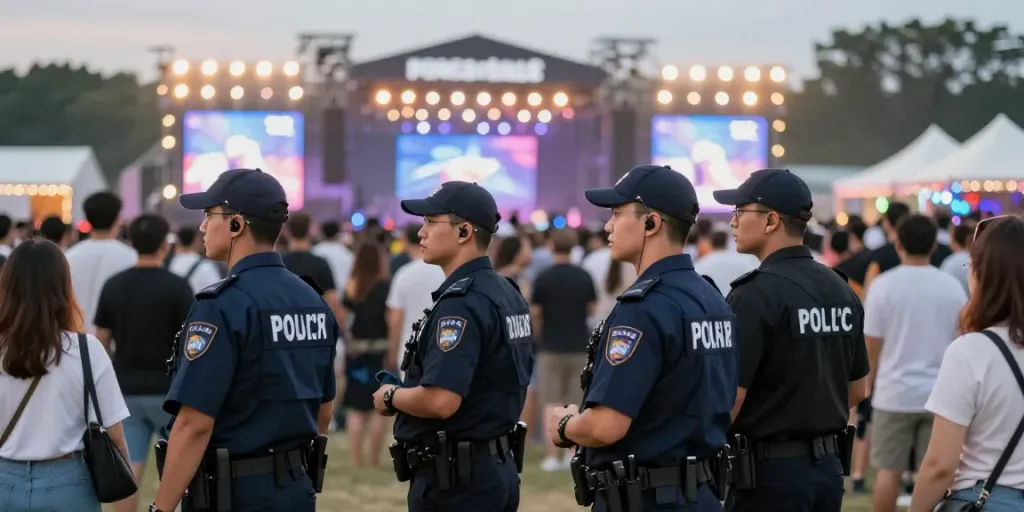
Understanding Event Security: Key Components
In an age where public safety and risk management have become paramount, understanding event security is crucial for event planners, venues, and attendees alike. Events, whether they are concerts, corporate gatherings, or community festivals, require specific security measures to protect both people and property. The right event security plan can help anticipate potential challenges and create a safe environment for all participants. By partnering with a trusted security provider, organizations can ensure that their events not only proceed smoothly but also instill confidence in attendees regarding their safety.
When exploring options, Event Security services provide comprehensive insights into tailoring security solutions for your specific needs, ensuring each event's safety from start to finish.
What is Event Security?
Event security refers to the comprehensive planning and management of safety and risk considerations for events of all sizes. This includes everything from crowd control to emergency response and safeguarding high-profile attendees. Effective event security involves assessing potential threats, identifying mitigating factors, and implementing strategies to ensure that an event can proceed with minimal disruptions while maintaining a secure environment. Key responsibilities often include access control, monitoring the venue, managing crowd dynamics, and responding to emergencies.
Essential Services Offered by Security Companies
Professional security firms typically offer a range of services tailored to optimize event safety, including:
- Crowd Management: Preventing crowd surges, ensuring guests flow smoothly, and avoiding potential hazards.
- Access Control: Checking tickets and ensuring only authorized personnel enter the venue.
- Emergency Response: Having trained personnel on-site who can respond quickly to incidents like medical emergencies or evacuations.
- Surveillance: Employing CCTV and other technologies to monitor the venue and detect unusual activity.
- Staff Training: Ensuring that security personnel are trained in conflict resolution, emergency procedures, and customer service.
Benefits of Hiring Professional Event Security
The advantages of engaging professional event security providers cannot be overstated. Here are several core benefits:
- Expertise: Security professionals have the training and knowledge to assess risks and implement effective safety measures.
- Peace of Mind: Event organizers can focus on their goals, knowing experienced security personnel handle safety.
- Legal Compliance: Ensuring the event adheres to local laws and regulations regarding safety and security.
- Enhanced Experience: Efficient security can positively impact attendee satisfaction, as guests feel safer and more comfortable.
Choosing the Right Local Event Security Provider
Selecting a reliable security provider is crucial for the success of your event. You should consider several factors when making your choice:
Criteria for Selecting a Trusted Security Partner
To ensure you find the right security partner, consider the following criteria:
- Experience: Look for companies with a history of successful event security management and positive client feedback.
- Customizable Solutions: Ensure the provider offers tailored services that fit the unique needs of your event.
- Range of Services: A company that can handle various aspects of security—from personnel to technology—is more beneficial.
- Available Resources: Ensure they have sufficient manpower and equipment to meet your event’s size and requirements.
Importance of Licensing and Accreditation
Hiring a licensed and accredited security provider is essential to ensure compliance with local laws and regulations. In the UK, for example, security companies must be licensed by the Security Industry Authority (SIA). This licensure guarantees that security personnel are trained and vetted. Furthermore, accreditation from recognized organizations, such as the National Security Inspectorate (NSI), adds another layer of credibility and assurance, reflecting adherence to industry best practices and standards.
Analyzing Customer Reviews and Testimonials
Before selecting a security provider, conducting thorough research on their reputation is crucial. Look for customer reviews and testimonials that highlight previous clients' experiences. Pay attention to feedback regarding:
- Professionalism and conduct of security personnel
- Timeliness and reliability of service
- The effectiveness of incident response
- Communication and collaboration during the event
Genuine, positive reviews can indicate a provider's reliability, while negative feedback may reveal red flags that warrant further investigation.
Event Security Pricing: What to Expect
Understanding pricing structures can help you budget effectively for security services regardless of your event type and size. It's essential to request detailed estimates from potential security providers to compare costs transparently.
Understanding Pricing Variations Based on Services
The pricing for event security can vary widely based on several factors, including:
- Event Size: Larger events typically require more security personnel and resources, impacting overall cost.
- Location: Security rates can differ based on the event's geographical area, with urban locations often commanding higher fees.
- Specialized Needs: Events requiring heightened security measures (e.g., VIP protection) will typically incur additional costs.
Cost Breakdown for Different Event Types
Here’s a basic estimate of security costs you might anticipate for various types of events:
Event TypeEstimated Cost per HourPersonnel RequiredCorporate Event£15-£252-5Concert£20-£355-10Community Festival£18-£284-8Private Party£12-£201-3
Budgeting for Security in Event Planning
When planning your budget, it’s important to factor in security as a critical component. Allocate funds for trained personnel, equipment rentals (e.g., radios and barriers), and potential overtime costs. Consider the trade-off between budget and safety; investing a reasonable amount in security can help prevent costly incidents and ensure a successful event.
Local Regulations and Compliance for Event Security
Event organizers need to stay informed about local laws and regulations that impact security practices. Understanding these requirements helps ensure compliance and fosters a safe environment for all attendees.
Overview of London’s Security Compliance Standards
In London, several laws and guidelines govern event security, including the Licensing Act 2003 and the Health and Safety at Work Act 1974. Adherence to these frameworks is necessary for securing appropriate licenses and permits and building a reputation as a responsible organizer.
Insurance Requirements for Event Security Companies
Insurance is a non-negotiable aspect of event security. Companies must carry liability insurance to cover potential incidents, ensuring financial protection for both the provider and the event host. Verify that your selected security firm has adequate insurance coverage, including public liability and employer’s liability, to cover any potential accidents or injuries.
Staying Updated on Local Laws and Regulations
Security regulations may evolve, particularly in response to changing circumstances or local policies. It's crucial for event organizers to remain updated on these changes and may consider consulting with legal advisors or industry organizations to ensure ongoing compliance.
Planning Successful Events with Strong Security Measures
Effective event security contributes not only to the safety of your environment but also enhances the overall experience, positively impacting the event's success. Here are some essential components of successful event security planning:
Seasonal Tips for Enhancing Event Safety
Events held during seasonal high-demand periods, such as the festive season or summer festivals, may require additional considerations:
- Adapt to Weather Conditions: Be prepared for seasonal weather changes with contingency plans for heat, rain, or snow.
- Manage Increased Foot Traffic: Higher attendance can raise the risk of crowd-related incidents, necessitating additional personnel.
- Specific Seasonal Risks: Plan for seasonal events, like firework displays, that may require specialized safety protocols.
Emergency Preparedness and Response Strategies
Preparedness is key to handling emergency situations. Event organizers must develop robust emergency plans that include evacuation routes, medical assistance, and communication strategies. Regular training sessions for security personnel can help them understand their roles during an emergency and uphold safety protocols efficiently.
Building Community Trust Through Effective Security
Creating a safe and secure environment fosters trust among the community and event attendees. For more information, Event Security offers valuable insights. By implementing visible and proactive security measures, event organizers can convey their commitment to attendee safety, enhancing the reputation of both the event and the venue. This engenders public confidence in collaborating with professional security services, leading to more successful future events.